Best Practices for Increasing Recurring Donations at the End of the Year

Jennifer Speak • December 12, 2025

As year end giving approaches, many organizations focus on one time gifts to help close the year strong. While those gifts are important, recurring donations play an even bigger role in long term stability. Monthly donors provide consistent, predictable support that helps organizations plan ahead, grow programs, and weather changes in funding. With the right strategy in place, year-end is the perfect time to invite supporters to become ongoing partners in your mission.


Here are proven best practices to help you increase recurring donations and build sustainable support using clear messaging, strong donor engagement, and the right technology.


Make Monthly Giving the Priority

One of the most effective ways to grow recurring donations is to offer monthly giving in all your fundraisers. Messaging also plays a major role. Phrases like “Make a lasting impact” or “Support our work all year long” help donors see the value of consistent giving. Adding examples that show what a small amount can do each month helps donors visualize the impact over time.


Simplify the Donation Process

A smooth donation experience is critical for conversion. Donation forms should be mobile friendly and easy to complete in just a few steps. Questions should be kept to a minimum so donors can finish quickly without feeling overwhelmed. Allowing autofill and offering digital wallet options (such as Apple Pay and Google Pay) remove barriers and increase completion rates. Pinwheel is designed to support fast, user friendly recurring donation setup, offers a variety of payment methods, and does not require that donors set up an account.


Show Impact in Clear, Tangible Terms

Donors are more likely to commit to monthly giving when they understand exactly what their ongoing support accomplishes, especially at year end when they can see how a monthly gift extends the impact of their holiday generosity into the new year. A monthly gift might fund snacks for an after-school program, provide equipment for a youth sports team, or cover volunteer training programs. Stories, photos, short videos, and real quotes help donors emotionally connect to the mission and reinforce that recurring donors are sustaining your work all year long.


Create a Recognizable Recurring Donor Community

Giving your recurring donor program a name adds identity and strengthens connection. Whether it is a Sustainers Circle, Monthly Champions, or another branded group, donors appreciate feeling like they belong to something meaningful. Small perks such as early access to updates, exclusive content, or an annual thank you gift help reinforce that connection. When donors feel valued and recognized, they are far more likely to stay engaged.


Communicate Regularly and With Purpose

Strong stewardship is essential for retaining recurring donors. Consistent updates that share real stories and measurable progress remind supporters why they chose to give each month. Thank you messages should acknowledge the ongoing nature of their generosity, not only the initial setup. Recognizing milestones such as one year of giving is another powerful way to strengthen loyalty and increase long term retention.


Track Performance and Adjust Your Strategy

Data plays a key role in growing recurring donations. Monitoring conversion rates, average monthly gift size, and retention gives you insight into what is working and where improvements can be made. Testing small changes to the marketing, donation form, and follow up emails can uncover opportunities for growth. Using Pinwheel to connect donations, people records, fundraising campaigns, and email communications in one place makes it easier to automate follow ups, segment recurring donors, and analyze performance over time.


Make the Ask Personal When the Timing Is Right

Some of the most successful recurring gifts begin with a personal invitation that follows a one-time donation. After a donor makes a single gift, a follow up message inviting the donor to convert that contribution into a monthly commitment can be very effective. Events also create natural opportunities to extend this invitation, especially when supporters have just experienced the mission in action. Outreach from board members, staff, and volunteers can be especially powerful because many individuals are influenced by personal relationships.


Turning Year End Momentum Into Year Round Support

End of year giving is a time when supporters are already focused on generosity and impact, making it the ideal moment to review your fundraisers and year-end campaigns with recurring giving in mind. By positioning recurring donations as a simple way to extend that impact throughout the year, organizations can turn seasonal giving into reliable year round support. With clear messaging, strong stewardship, and tools like Pinwheel that connect giving, communication, and reporting in one system, recurring donations become more than just transactions. They become lasting partnerships built around shared purpose.


Happy fundraising!
Graphic reading “WHAT NONPROFITS SHOULD MEASURE AFTER AN EVENT” with charts and magnifying glass on green background
By Jennifer Speak May 27, 2026
Learn which event metrics nonprofits should review after a 5K, gala, fundraiser, or after-school program to improve attendance, fundraising, and future planning.
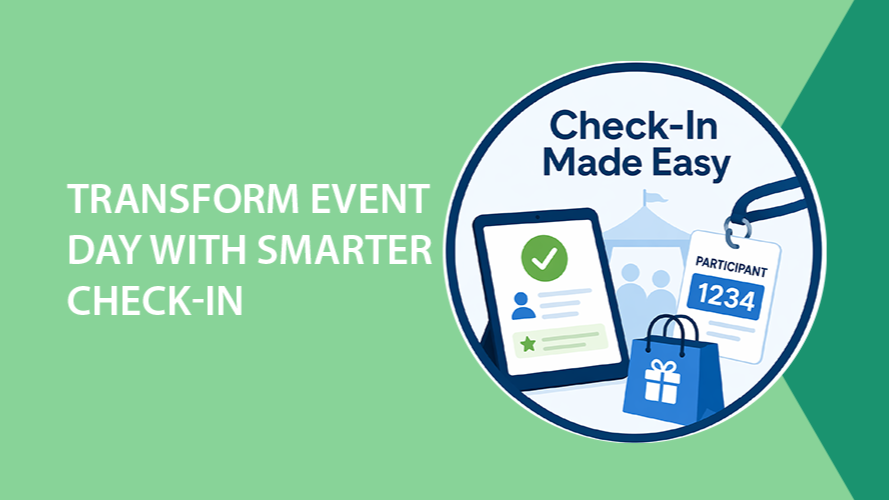
Promotional graphic for check-in app: green background, “Check-In Made Easy” text, phone and calendar icons.
By Jennifer Speak April 28, 2026
Transform your event day with smarter check-in. Learn how streamlined, digital tools reduce lines, improve experiences, and give you real-time data to run more successful programs.
Handshake between a business sponsor and nonprofit participant with 5K medal, gala VIP badge, and go
By Jennifer Speak March 30, 2026
Learn how to recruit, secure, and manage event sponsors for 5Ks, galas, and golf tournaments. Practical strategies to grow sponsorship revenue and stay organized.
One platform text with event icons: golf, gala, bowling, and a team running.
By Jennifer Speak February 14, 2026
Run golf tournaments, bowling tournaments, galas, fairs, and races with powerful registration, fundraising, check-in, and reporting tools in one connected platform.
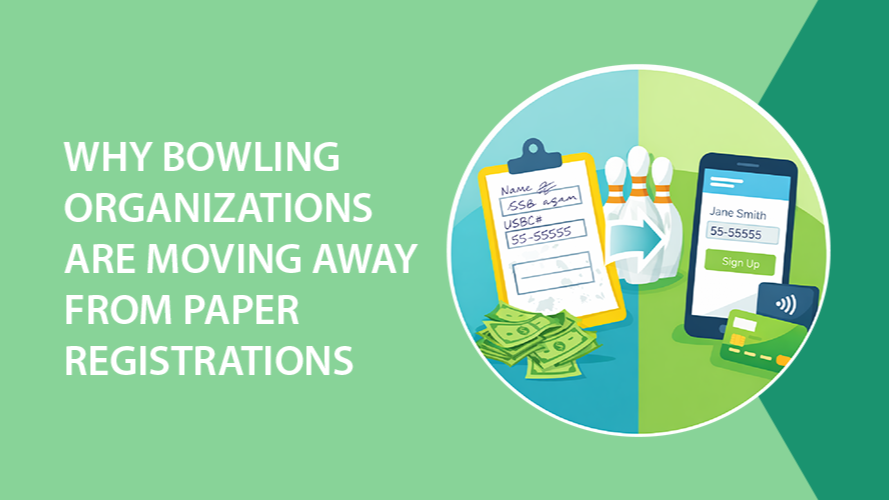
Graphic: Bowling theme, contrasting paper registration with online registration, green and blue colors.
By Jennifer Speak January 8, 2026
Many bowling organizations are moving away from paper registration. Learn how online bowling registration increases entries, improves accuracy, and speeds up payments.
Puzzle pieces in a circle with the words The Complete Picture in the center.
By Jennifer Speak October 14, 2025
Nonprofits work tirelessly to connect with their communities, but truly understanding those connections can be challenging. When your supporter data lives across multiple systems, such as event registration tools, donation platforms, volunteer spreadsheets, and email marketing software, it’s nearly impossible to see the full story of a person’s involvement. Why a Unified View Matters Fragmented data hides powerful insights. A loyal donor might also volunteer every summer. A board member could be one of your most consistent event participants. A sponsor may have first discovered your organization through a child's participation and later deepened their support through ongoing sponsorship. Without a unified record, those connections stay invisible and opportunities to engage more meaningfully slip away. When your organization can view a person’s complete history in one place, you can: Recognize every way they contribute, not just their latest donation Tailor your outreach based on real activity and interests Build trust by showing that you truly know and appreciate their involvement Identify people ready to take on bigger roles, like becoming a team lead, board member, or major donor If your organization isn’t doing this yet, now is the time to start consolidating your data. What a Full Supporter Record Includes Picture opening one supporter record and seeing everything you need to understand their relationship with your organization. This single, unified record might include: Personal details such as contact information, employer, social media, and/or certifications Event registrations and participation history Donation and fundraising activity Volunteer and board service Sponsorship connections Vendor relationships Email and text engagement with your organization Staff notes, tags, alumni status, and custom fields unique to your programs That level of visibility helps everyone on your team work smarter and communicate more effectively. How to Move Toward a Unified System If your team currently uses multiple systems, start by asking: Where does supporter data live today? (Event system, donation tool, email list, etc.) Who manages each system? What overlaps or gaps exist between them? Once you know where your data lives, look for ways to bring it together. The goal is to build a single source of truth that captures every connection a supporter has with your organization. Why Pinwheel Makes It Easy Pinwheel brings all of this data together, including event registrations, fundraising activity, donations, volunteer records, communications, and more, into one comprehensive supporter record. You’ll see a person’s entire journey with your organization, so your team can spend less time cross-checking and more time connecting. With Pinwheel, you can: Automatically link a person’s event participation to their donations and volunteer history See communication engagement right on their record Add tags, notes, and custom roles that matter to your programs Generate reports that show true supporter impact When everything lives in one place, you can act faster, personalize more deeply, and make smarter decisions about engagement and stewardship. Take the Next Step If you’re already using Pinwheel, make sure you’re taking advantage of every tool. Reach out to us for tips on unifying your supporter data. If you’re not using Pinwheel yet, this is the moment to explore how it can transform the way your organization understands and engages its community. Schedule a demo and see how easy it can be to build a complete picture of every supporter!
People running, raising funds with goal numbers on signs.
By Jennifer Speak September 8, 2025
Empower events with peer to peer fundraising
By Michael Reale August 4, 2025
When it comes to after-school programs, camps, or high-demand community events, spots can fill up in minutes, sometimes seconds. For many families, trying to register for these programs becomes a stressful race, where those with the fastest internet or most flexible schedules win, and everyone else misses out. At Pinwheel , we believe access should not be based on Wi-Fi speed or being available right at 9:00 AM on a Wednesday. That’s why we’ve built lottery registration into our event tools, offering a fairer, more equitable way to manage high-interest events. What Is Lottery Registration? Lottery registration allows organizations to collect sign-ups over a defined period, and once that window closes, randomly select who gets a spot in the program. Instead of a first-come, first-served system, which often disadvantages working parents or people with limited internet access, lottery registration levels the playing field. Everyone has an equal shot at participation. That’s a huge step forward in creating fairness and trust in your community. Why It Matters: More Equity, Less Chaos Equal Access for All Families – Lottery registration removes the digital race. Whether a parent signs up right at 9 a.m. or 11:59 p.m., the registration is treated the same. Less Stress, More Time – No need to hover over a computer or worry about typing quickly enough. Registration can happen at a convenient time, with confidence that it's the act of signing up (not the speed) that counts. Supports Representation Goals – For organizations serving underrepresented or underserved communities, lottery registration is a powerful tool to remove barriers and support fair access. Better Experience for Staff – Set the registration period, then use Pinwheel’s built-in randomizer to fairly select participants. It’s quick, transparent, and eliminates the need for spreadsheets or manual selection. How It Works in Pinwheel Pinwheel’s lottery registration is designed to be easy to set up and simple to manage: Open a Registration Window - Choose the start and end dates for registration. During this time, families or participants sign up just as they would for any other event. Random Selection Tool - After the registration window closes, use Pinwheel’s built-in randomizer to fairly select who gets in. For guaranteed placements, such as children of program volunteers, the Award-Win feature can be used to ensure those spots are reserved. Automatic Payment Collection - Once selected, the system automatically processes the participant’s payment. Any financial aid or discounts are applied, along with donations, merchandise purchases, and payment plans. Custom Notifications – Participants who receive a spot are automatically emailed, along with any important information the organization needs to share. Families who aren’t selected can be contacted manually or notified later if additional spots become available. When to Use Lottery Registration Pinwheel’s lottery tool is ideal for: After-school programs with limited enrollment Summer camps with high demand Workshops and specialty classes Publicly funded programs that prioritize equity Events where fairness and transparency are critical Tips for a Smooth Lottery Process Be Clear in Your Communications - Let registrants know it’s a lottery, not first-come-first-serve, and provide the timeline for selection. Give Yourself Time - Build in a buffer between when registration closes and when you run the lottery to manage selections and send notifications. Set Expectations : Let families know how and when they’ll hear back, even if they aren’t selected. A More Equitable Way to Register Lottery registration doesn’t just solve logistical headaches, it signals to the community that your organization values fairness , accessibility , and transparency . And with Pinwheel, it’s simple to implement and easy to manage. Want to add a lottery to your next program? We’re here to help you get started. Visit pinwheel.us or contact our support team for help setting up your next equitable registration process.
By Michael Reale July 7, 2025
Managing attendance and participant information for after-school programs or summer camps is challenging, especially when it’s all done manually. That’s why we built the Pinwheel Attendance App , designed to give volunteers and program leaders a simple, secure, and centralized way to track attendance, communicate with families, and access essential participant details. Whether you're running a single-day workshop or a season-long youth program, the Attendance App makes it easy to stay organized, connected, and compliant. Easy for Volunteers, Powerful for Programs The Attendance App is mobile-friendly and intuitive, so volunteers spend less time on paperwork and more time with participants. With just a few taps, volunteers can: Take attendance by session - Mark who’s present or absent, both volunteers and participants - no clipboards or spreadsheets required. Access critical participant info - View important details like health concerns, allergy information, authorized pick-up individuals, and emergency contacts right in the app. Get notified of participant birthdays - Volunteers receive birthday alerts so they can help make each participant’s special day even more memorable. Communicate with caregivers - Volunteers can send text messages or emails to parents and guardians to share team updates, schedule changes, or reminders. Rate each session - Volunteers can submit a quick rating and feedback on how the day went, offering valuable insights into session quality and areas for support. Receive real-time push notifications - Program organizers can push updates or alerts to all volunteers through the app, perfect for last-minute changes, reminders, or encouragement. Real-Time Reporting All data collected through the Attendance App flows back instantly to Pinwheel and is viewable through 11 built-in reports . Administrators can track attendance trends, spot gaps in engagement, and review volunteer feedback to better understand program performance. Why It Matters Stronger outcomes and family satisfaction come from prioritizing safety, communication, and engagement. Reduced administrative burden helps retain and empower volunteers. Reliable attendance data supports grant reporting by demonstrating program reach, participant engagement, and overall impact. Ready to simplify attendance and improve communication across your programs? Whether you're running a local Police Athletic League (PAL), a summer arts camp, or an after-school tutoring program, the Pinwheel Attendance App puts essential tools in your volunteers’ hands and gives you the data you need to measure program success. Learn more at www.pinwheel.us or reach out to support@pinwheel.us to schedule a demo.
By Michael Reale June 3, 2025
Maintaining a healthy email list is key to strong engagement and high deliverability. If you're using Pinwheel’s Email Marketing Module (EMM), you already know the value of staying connected with audiences. But what about the contacts who haven’t interacted with your emails in months? Sending emails to people who never open them can hurt deliverability; email providers see low engagement as a sign your messages are not wanted, which can cause future emails to land in spam. To protect your sender reputation, it’s important to focus on engaging active audiences and to regularly unsubscribe non-readers. Therefore, it’s time for a list cleanup — and we've got a thoughtful, relationship-centered approach to help you do it right. Step 1: Define What "Inactive" Means for You Start by identifying what counts as inactivity. Generally, contacts are considered inactive if they have not opened or clicked on an email in the last three to 12 months. Your definition might vary depending on how often you send emails: Weekly emails: Inactive after 3 months Monthly emails: Inactive after 6 to 12 months Use Pinwheel’s Number of Opens and Last Open date columns in the Contacts grid to get a list of who is not engaging. There are a variety of ways to identify these contacts, but try this one to begin with: Start by filtering the list using the funnel icon in the Number of Opens column to show only contacts with 0 opens . Then, sort by the # of Campaigns column by clicking the header twice; this will bring the contacts who’ve received the most campaigns to the top. You may find that some have received hundreds of emails without ever opening one. For these contacts, click the pencil icon in the Status column and change the status from "Subscribed" to "Unsubscribed" . If you're not ready to unsubscribe them yet, proceed to Step 2. Step 2: Run a Re-Engagement Campaign Before removing anyone from your list, give them a chance to re-engage. A re-engagement campaign can reignite interest and save valuable contacts. Try subject lines like: “Still want to hear from us?” “We miss you! Let us know you’re still interested.” Here’s a sample message you can customize: Hi, We have missed having you as part of our story! Thanks to supporters like you, here’s what we’ve accomplished recently: ✅ [Short impact stat or story — e.g., “Over 500 families received vital support this winter.”] ✅ [Another impact point — “We launched a new program for underserved youth.”] Your past interest in our mission truly made a difference. And while we haven’t heard from you in a while, we’d love to reconnect — your voice, your presence, and your passion still matter. If our work still resonates with you, please click below to stay in touch. Yes, Keep Me Updated [link to your website] With gratitude, [Your Organization Name] [Contact Info | Social Links] P.S. If you'd prefer to unsubscribe, click below. If the contact opens the email and clicks the link, great! They’re re-engaged. If not, it might be time to let them go. Step 3: Mark Inactive Contacts as Unsubscribed Once you feel confident that some contacts are not going to engage with your emails, it's time to let them go! Rather than deleting contacts, mark them as unsubscribed. This approach: Retains engagement history Prevents future sends to uninterested contacts Avoids accidental re-imports later on To do this in Pinwheel: Go to the Contacts grid, sort by Opens or Last Open , review engagement, then update the Status column from “Subscribed” to “Unsubscribed.” Conclusion – A Smaller List Can Mean a Stronger One List cleaning isn’t about reducing your reach — it’s about refining it . By giving inactive supporters a chance to reconnect and respectfully retiring disengaged contacts, your messages will land where they matter most. Need help cleaning your list? Contact us at support@pinwheel.us — we’re here to help you build lasting connections!