Why Bowling Organizations Are Moving Away from Paper Registration

Jennifer Speak • January 8, 2026

Paper registrations have long been part of bowling tournaments and special events. While it may feel familiar, the use of paper registrations now creates real barriers to participation, accuracy, and growth.


As bowling organizations look to increase entries, reduce administrative work, and meet modern expectations, many are choosing to move from paper registration forms to online bowling registration. This shift is not about changing the tradition of bowling. It is about making events easier to manage and easier for bowlers to join.


Below are the key reasons bowling associations and tournament directors are making the move:


1. Paper Registration Caps Participation

Paper registration requires bowlers to be physically present or to print, complete, and return a form. That added friction causes many potential participants to delay or abandon registration altogether.


Online bowling registration allows bowlers to sign up the moment they learn about an event. Whether they see it through email, social media, a QR code or a text message, they can register instantly from their phone or computer. This increased access leads to higher participation and more consistent entries.


2. Paper Creates Errors That Cost Time and Money

Handwritten paper forms often lead to missing or unreadable information. USBC numbers, averages, divisions, and contact details are frequently incomplete or incorrect. These issues require follow-up and manual correction, placing additional strain on volunteers and tournament staff.


Online registration validates required fields and ensures complete, accurate data. Information is entered once and stored clearly, eliminating manual data entry and reducing errors that can impact standings, brackets, payouts, and reports.


3. Paper Delays Cash Flow

Paper registration typically relies on checks or cash that may not be deposited until days or weeks later. This delay makes it harder to manage tournament expenses, payouts, and overall budgeting.


Online registration collects payment at the time of registration. Funds are received faster, no-shows are reduced, and organizers gain clearer insight into revenue well before the event begins.


4. Paper Limits Communication After Registration

Once a paper form is submitted, communication becomes difficult. Email addresses may be missing or unreadable, and texting permissions are rarely captured.


Online registration automatically builds an email and text contact list. This makes it easy to send confirmations, reminders, lane assignments, rule updates, and future bowling event announcements. Strong communication leads to better attendance and repeat participation.


5. Paper Does Not Match Modern Bowler Expectations

Today’s bowlers expect a fast, mobile-friendly bowling registration experience that feels professional and secure.


Modern bowling tournament registration includes:

  • Online and mobile registration from a phone, tablet, or computer
  • Secure digital payments using credit cards, Apple Pay, and Google Pay
  • Clear confirmation that registration and payment were received
  • Digital receipts that are easy to access and store


These expectations are especially important for youth bowling programs and large bowling tournaments, where parents and participants expect the same convenience and payment security they experience when registering for other sports and events online.


Paper registration can feel outdated and inconvenient, and it may raise concerns about payment security and recordkeeping. Online bowling registration provides a trusted experience that reflects the quality of the event itself.


6. Paper Hides Valuable Insights

Paper registration makes it difficult to understand where registrations are coming from, which events perform best, or how many people start but do not complete registration.


Online registration provides real-time reporting and participation data. Bowling organizations can make informed decisions, improve marketing efforts, and plan future tournaments more effectively.


7. Online Registration Removes Friction Without Replacing Tradition

Moving to online registration does not mean eliminating paper entirely. Many bowling organizations still accept paper registrations in special situations while using online registration as their primary method.


The goal is not to replace bowling traditions. It is to reduce administrative work, support volunteers, and make events easier to manage and grow.


The Bottom Line

Paper registration limits participation, introduces errors, delays payments, and makes communication harder.


Online bowling registration increases entries, improves accuracy, speeds up revenue collection, and strengthens communication with bowlers before and after the event.


Bowling organizations that adopt online registration position themselves for smoother events, happier participants, and long-term sustainability. Pinwheel.us makes it possible to convert existing paper forms into online registrations while preserving the structure of each tournament. Contact us today for a demo!


Happy bowling!
Green promo graphic with text “Teams are more than a registration type” and a circular team collaboration illustration
By Jennifer Speak September 5, 2026
Pinwheel’s flexible team tools support payments, captain management, scheduling, products, fundraising, and communications for every kind of event.
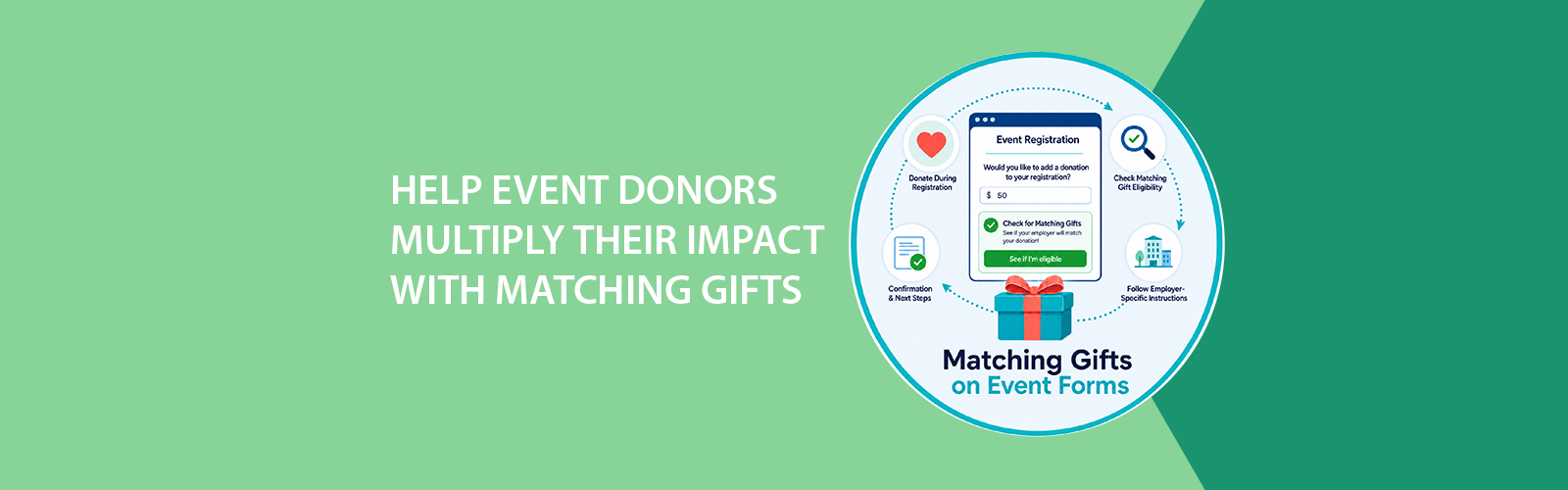
Green promo graphic: “Help event donors multiply their impact with matching gifts” and “Matching Gifts on Event Forms”
By Jennifer Speak August 3, 2026
Help donors multiply their impact with matching gifts. Pinwheel’s expanded Double the Donation integration now brings matching gift tools to event forms.
Rain, heat, and parking event-day essentials with phone app, sun, umbrella, and parking sign
By Jennifer Speak June 26, 2026
Prepare for summer event day with practical plans for rain, heat, parking, check-in, volunteer communication, and urgent attendee updates.
Graphic reading “WHAT NONPROFITS SHOULD MEASURE AFTER AN EVENT” with charts and magnifying glass on green background
By Jennifer Speak May 27, 2026
Learn which event metrics nonprofits should review after a 5K, gala, fundraiser, or after-school program to improve attendance, fundraising, and future planning.
Promotional graphic for check-in app: green background, “Check-In Made Easy” text, phone and calendar icons.
By Jennifer Speak April 28, 2026
Transform your event day with smarter check-in. Learn how streamlined, digital tools reduce lines, improve experiences, and give you real-time data to run more successful programs.
Handshake between a business sponsor and nonprofit participant with 5K medal, gala VIP badge, and go
By Jennifer Speak March 30, 2026
Learn how to recruit, secure, and manage event sponsors for 5Ks, galas, and golf tournaments. Practical strategies to grow sponsorship revenue and stay organized.
One platform text with event icons: golf, gala, bowling, and a team running.
By Jennifer Speak February 14, 2026
Run golf tournaments, bowling tournaments, galas, fairs, and races with powerful registration, fundraising, check-in, and reporting tools in one connected platform.
Graphic with text
By Jennifer Speak December 12, 2025
Best practices for increasing recurring donations
Puzzle pieces in a circle with the words The Complete Picture in the center.
By Jennifer Speak October 14, 2025
Nonprofits work tirelessly to connect with their communities, but truly understanding those connections can be challenging. When your supporter data lives across multiple systems, such as event registration tools, donation platforms, volunteer spreadsheets, and email marketing software, it’s nearly impossible to see the full story of a person’s involvement. Why a Unified View Matters Fragmented data hides powerful insights. A loyal donor might also volunteer every summer. A board member could be one of your most consistent event participants. A sponsor may have first discovered your organization through a child's participation and later deepened their support through ongoing sponsorship. Without a unified record, those connections stay invisible and opportunities to engage more meaningfully slip away. When your organization can view a person’s complete history in one place, you can: Recognize every way they contribute, not just their latest donation Tailor your outreach based on real activity and interests Build trust by showing that you truly know and appreciate their involvement Identify people ready to take on bigger roles, like becoming a team lead, board member, or major donor If your organization isn’t doing this yet, now is the time to start consolidating your data. What a Full Supporter Record Includes Picture opening one supporter record and seeing everything you need to understand their relationship with your organization. This single, unified record might include: Personal details such as contact information, employer, social media, and/or certifications Event registrations and participation history Donation and fundraising activity Volunteer and board service Sponsorship connections Vendor relationships Email and text engagement with your organization Staff notes, tags, alumni status, and custom fields unique to your programs That level of visibility helps everyone on your team work smarter and communicate more effectively. How to Move Toward a Unified System If your team currently uses multiple systems, start by asking: Where does supporter data live today? (Event system, donation tool, email list, etc.) Who manages each system? What overlaps or gaps exist between them? Once you know where your data lives, look for ways to bring it together. The goal is to build a single source of truth that captures every connection a supporter has with your organization. Why Pinwheel Makes It Easy Pinwheel brings all of this data together, including event registrations, fundraising activity, donations, volunteer records, communications, and more, into one comprehensive supporter record. You’ll see a person’s entire journey with your organization, so your team can spend less time cross-checking and more time connecting. With Pinwheel, you can: Automatically link a person’s event participation to their donations and volunteer history See communication engagement right on their record Add tags, notes, and custom roles that matter to your programs Generate reports that show true supporter impact When everything lives in one place, you can act faster, personalize more deeply, and make smarter decisions about engagement and stewardship. Take the Next Step If you’re already using Pinwheel, make sure you’re taking advantage of every tool. Reach out to us for tips on unifying your supporter data. If you’re not using Pinwheel yet, this is the moment to explore how it can transform the way your organization understands and engages its community. Schedule a demo and see how easy it can be to build a complete picture of every supporter!
People running, raising funds with goal numbers on signs.
By Jennifer Speak September 8, 2025
Empower events with peer to peer fundraising